
Origins of the Parish
The faith community that would become today’s cathedral began in 1881 under the name St. Mary’s of the Lake. Early missionary activity in northern Ontario, supported by historic travel and fur-trade routes through the French River, Georgian Bay, and Lake Superior regions, led to the establishment of several outposts and chapels.
By 1884, a chapel was built in North Bay, and in 1886 it was placed on a permanent foundation on property along Main Street West. This marked the formal beginning of the parish’s physical presence.
Growth of the Diocese and Early Church Development
In 1882, the Diocese of Peterborough was formed, incorporating much of northern Ontario previously served by earlier ecclesiastical jurisdictions. However, rapid population growth and vast distances soon made pastoral care increasingly difficult.
To better serve the region, the Diocese of Sault Ste. Marie was officially established on September 16, 1904 by Pope Pius X, with Father David Joseph Scollard appointed as its first bishop.
Recognizing the need for a larger and more permanent church building, the parish began planning a new structure to replace the small framed church on Main Street West.
Construction of the Pro-Cathedral
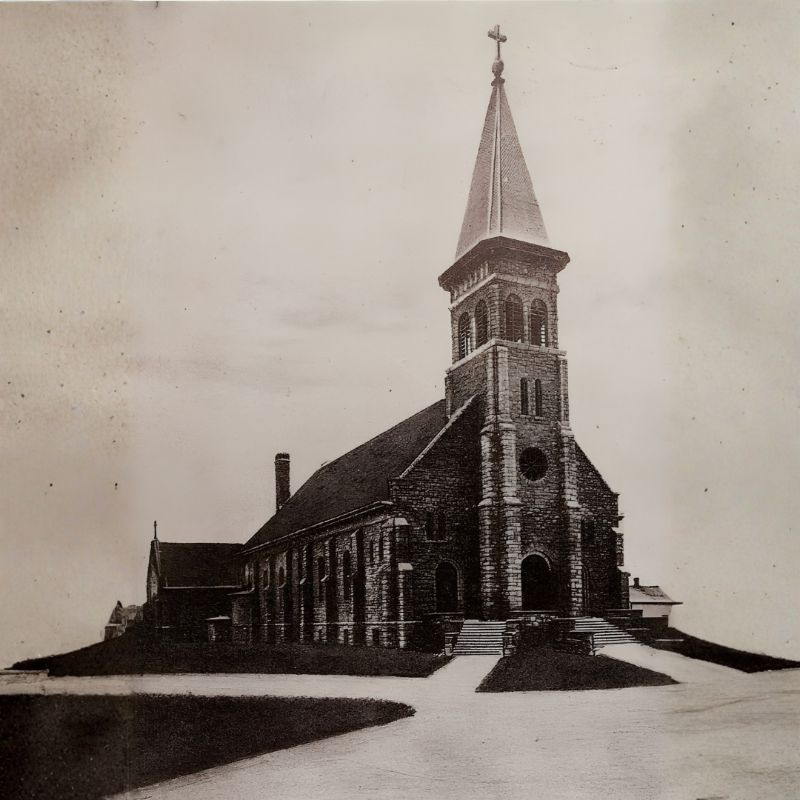
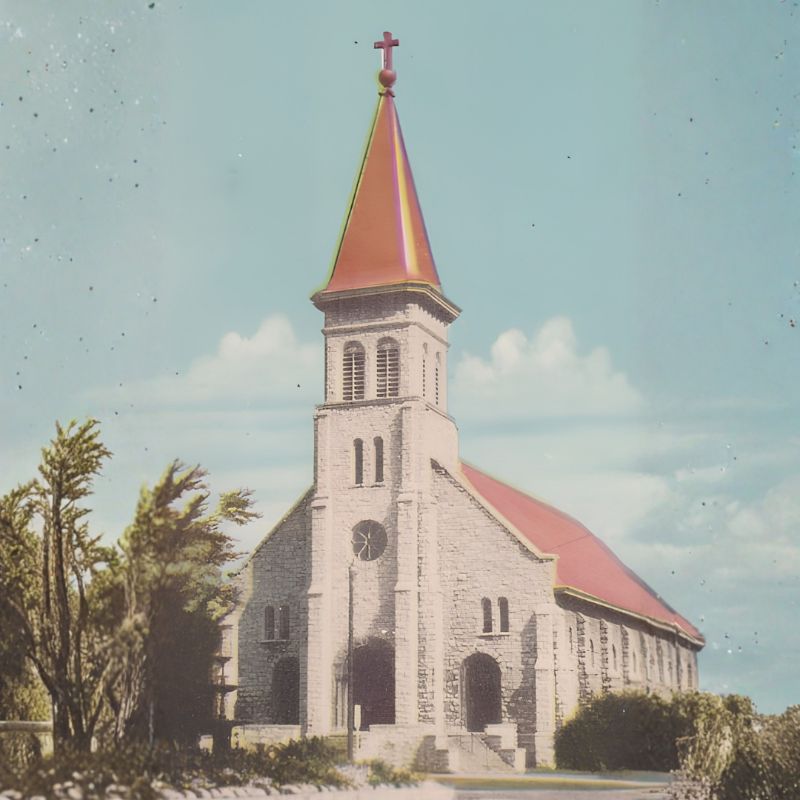
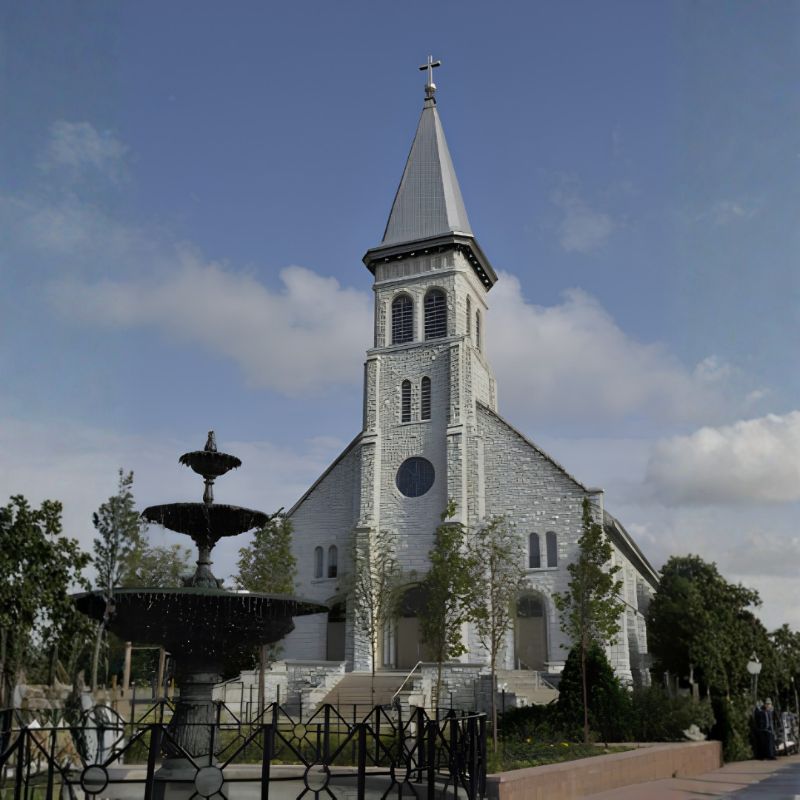
The cornerstone for the new church, later known as the Pro-Cathedral of the Assumption, was laid on June 19, 1904. Construction progressed quickly, and by the fall of 1905 the building was completed.
The church was officially dedicated on December 17, 1905, the last Sunday of Advent, with a total construction cost of approximately $65,000. It was designed by architect Harry Angus of Thompson and Angus Architects.
The Bishop’s Residence and Early Significance
In 1911, a rectory—often referred to as the “bishop’s palace”—was constructed using the same white limestone as the cathedral. The stone was quarried in Longford and transported to North Bay via the Canadian Pacific Railway.
Because the diocesan bishop has historically resided in North Bay, the church became known as a “Pro-Cathedral”, meaning it serves in place of the official cathedral located in Sault Ste. Marie (Precious Blood Cathedral). As a result, it holds a unique role as the bishop’s parish and a central site for diocesan life.
Renovations and Enhancements in the Early 20th Century
Significant renovations took place in the summer of 1923. These included plaster repairs, changes to pillar capitals, and repainting of interior surfaces. The project also introduced new electric lighting, updated wiring, and the installation of a marble altar, baldachino, and decorative drapery. The total cost of these improvements was just over $30,000.
Liturgical Changes and Vatican II Influence
Following the Second Vatican Council, the Church embraced a spirit of renewal and simplicity. In 1967, changes were made to align with this vision. As part of these updates, several ornate interior features were removed, including stained glass windows in the sanctuary, frescoes, and woodwork, reflecting a shift toward a more simplified worship space.
Major Restoration and Structural Repairs
Between 1980 and 1986, extensive restoration work was carried out. What began as minor repairs developed into a major reconstruction project costing approximately $150,000.
Work included roof repair, steeple reinforcement, and restoration of the cross. The stained glass windows were removed, cleaned, and re-leaded. The tower was re-pointed, and the rose window was repaired. A new cross, approximately 18 feet tall and mounted nearly 100 feet above ground, was installed using a helicopter.
The parish also celebrated its 100th anniversary in 1986. Bishop Marcel Gervais reflected on the parish’s long legacy of faith, ministry, and community life.
Modern Renovations and Renewal
In 2001, the Pro-Cathedral underwent a major restoration project costing approximately $1.24 million. The goal was to restore historical character while incorporating modern technology.
Stained glass windows and carved oak panels were returned to the sanctuary, and decorative features were recreated to restore warmth and tradition. The main entrance doors were replaced, and upgrades were made to lighting and acoustics.
A new reconciliation room was also added, including a flexible partition allowing for either private or face-to-face confession. Additionally, improvements were made to the pipe organ, including the installation of an expressive division beneath the existing 2,093 pipes, allowing greater musical range and versatility.
Legacy and Ongoing Faith Life
The history of the parish is preserved in the memories and lives of thousands who have been part of the community. Over the years, the parish has been shaped by prayer, service, celebration, and sacrifice.
It continues to stand as a symbol of faith and unity, reflecting generations of worship and the enduring presence of God within the community. Its story remains ongoing, carried forward by those who continue to live and grow in faith today.